Look, then photograph
In good light, take a few side photos of each ear. That helps the clinician see the helix, the bowl, and how far the ear stands from the head.

For parents
Your baby is well. The helix may look folded, the ear may stand out, or the rim may be flat where it should curve. Some mild differences settle in the first 10 days. Many that still look wrong after that window will not — once cartilage stiffens, the usual path is to wait years and then discuss otoplasty.
What to do nextFirst steps
You do not treat the ear at home. You can still move quickly so a physician still has a soft cartilage to work with.
In good light, take a few side photos of each ear. That helps the clinician see the helix, the bowl, and how far the ear stands from the head.
Pediatricians, ENT specialists, family physicians, and plastic surgeons apply the CranioWell set. Use Find a physician, or ask your pediatrician for a trained colleague.
Wash the baby before you come. Application in clinic takes about 30 minutes. Wear time then follows age — often a few weeks, with two or three reviews.
If you were told not to worry
A relative, a nurse, or a busy clinic may say the ear will “come right on its own.” Some do. The CranioWell user manual still treats early physician-applied molding as the window that matters — especially in the first two months, with the strongest results in the first month.
Some mild differences settle in the first 10 days. A folded rim, a cupped bowl, or an ear that still stands away after that window often stays that way once cartilage hardens. If you are still unsure after the first 10 days, ask a trained physician — do not wait for school.
Household tape and soft bands are not a molding plan. They do not place the ear in an anatomical position, and they are not a substitute for a Class 1 set applied in clinic.
Otoplasty is real surgery, with anaesthesia and recovery. Until then, a visible ear difference can draw comments and bullying. Starting in the first weeks can reduce the need for that later operation.
What we treat

How common
Ear-shape differences appear in roughly 25% of births. Some settle in the first 10 days. About 3–5% of newborns have a remaining deformity that can be moulded in clinic.

Timing
The set is used especially in the first two months. The earlier treatment starts, the higher the success rate. The best results are associated with a start in the first month of life.
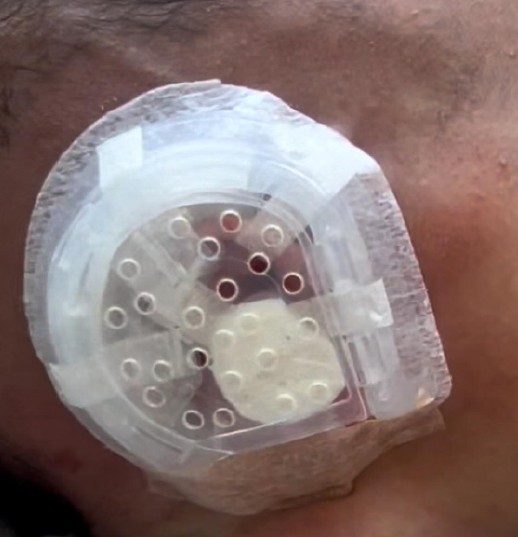
The set
A physician places the set on the ear. It is painless and non-invasive. Started in time, it can reduce the need for later otoplasty and the social pressure — including bullying — that a prominent or folded ear can bring at school age.
Results
English clinical cards from CranioWell doctors. Each case was applied and followed in clinic — not at home. Individual results vary with age at start and deformity type.
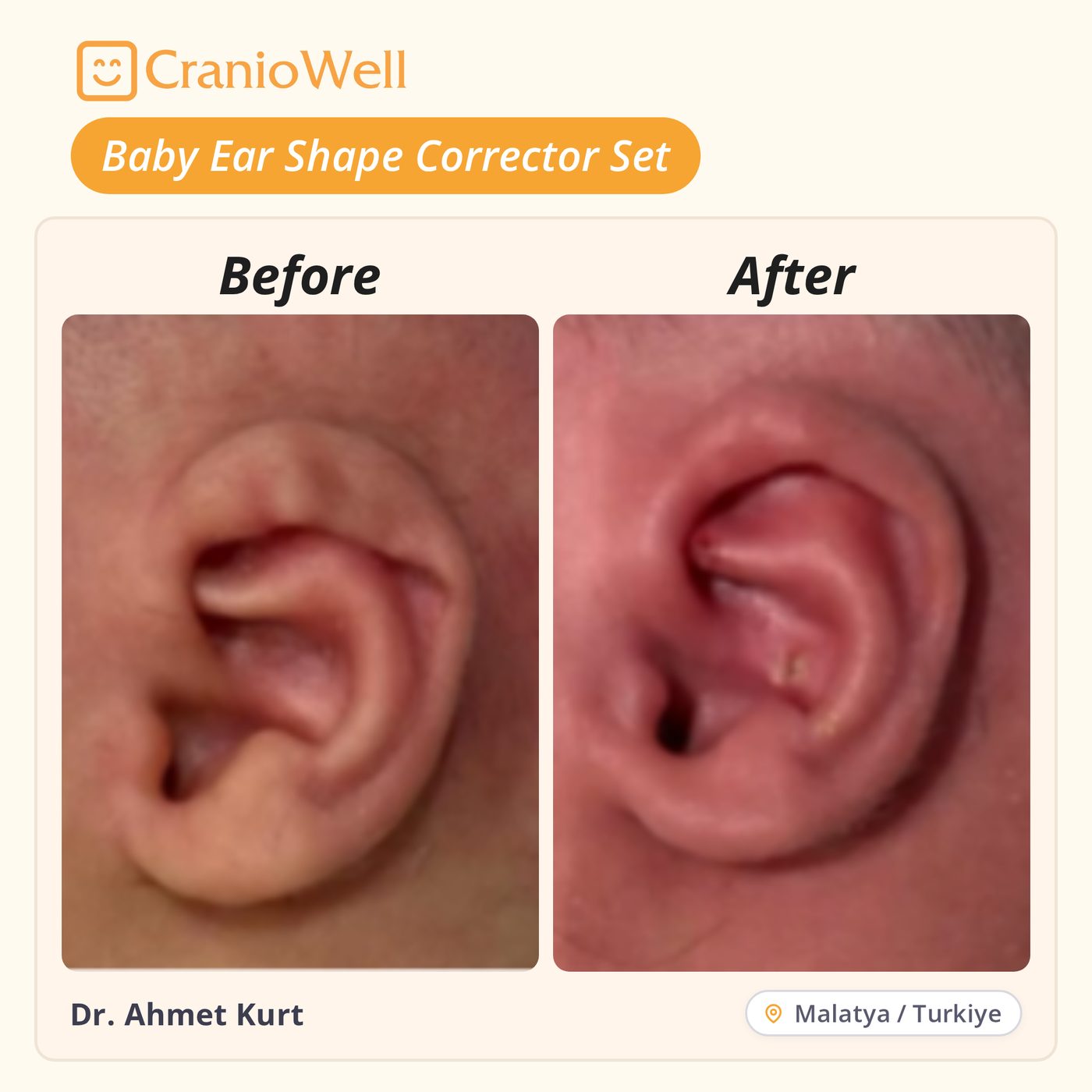
Dr. Ahmet Kurt
Malatya / Türkiye
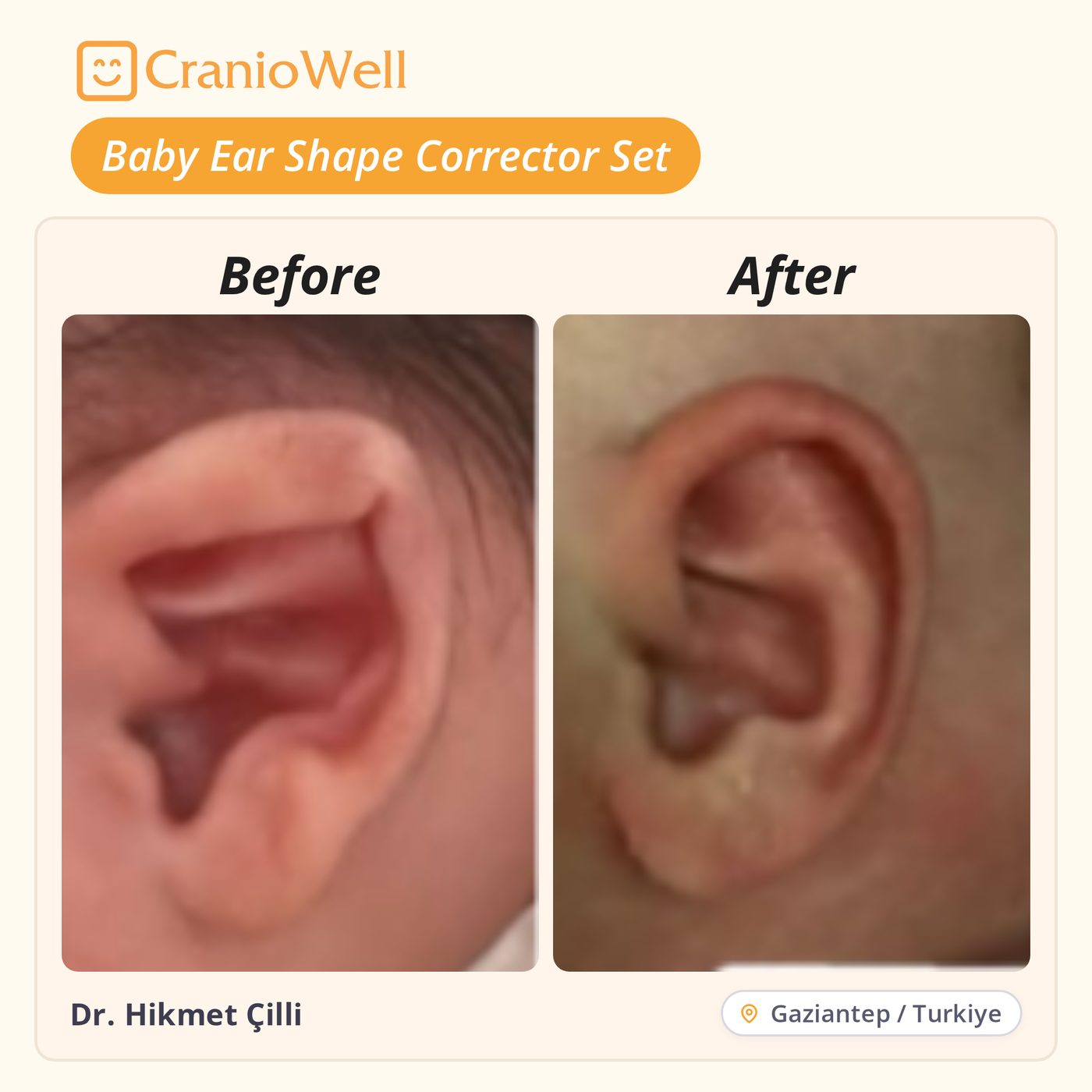
Dr. Hikmet Çilli
Gaziantep / Türkiye
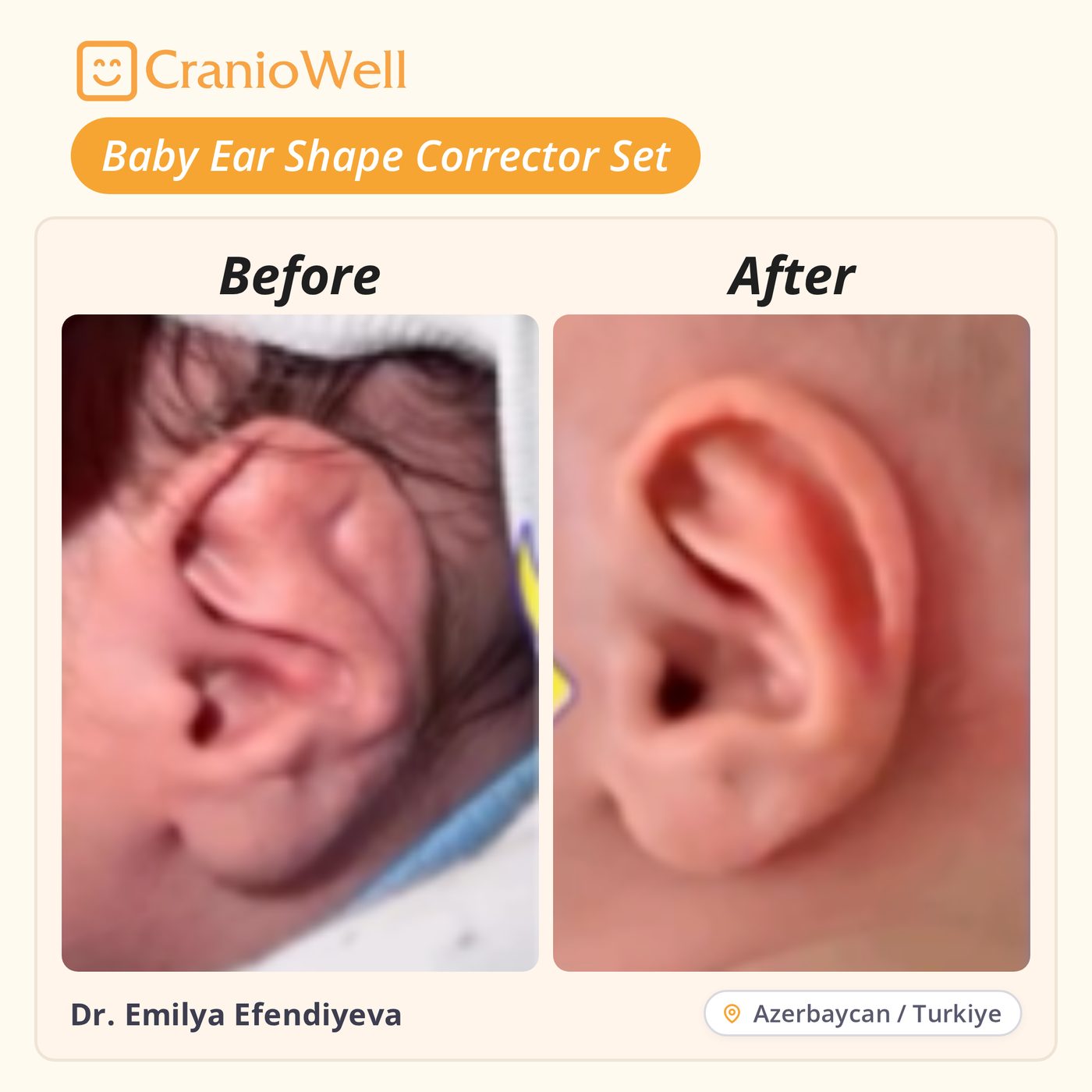
Dr. Emilya Efendiyeva
Azerbaijan / Azerbaijan
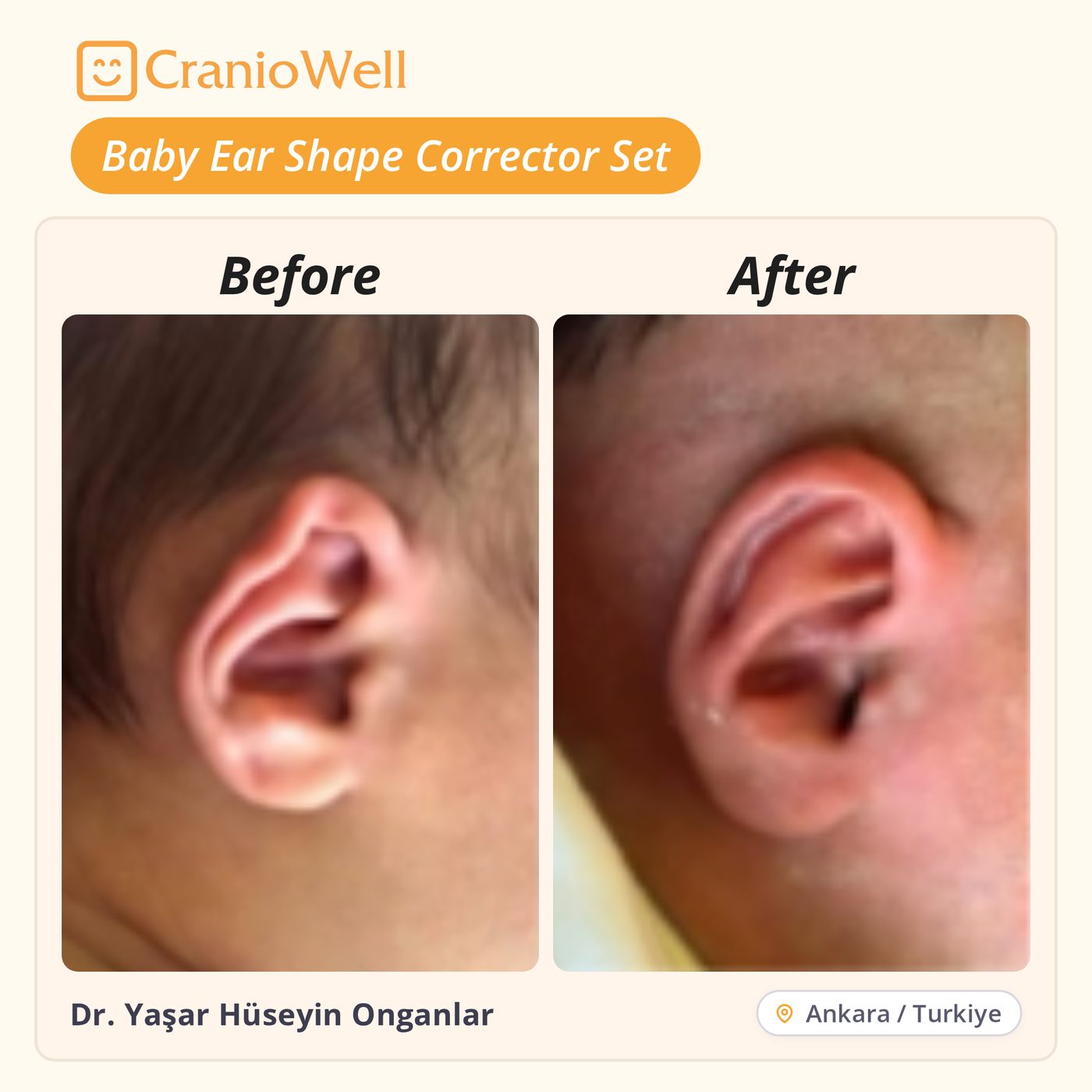
Dr. Yaşar Hüseyin Onganlar
Ankara / Türkiye
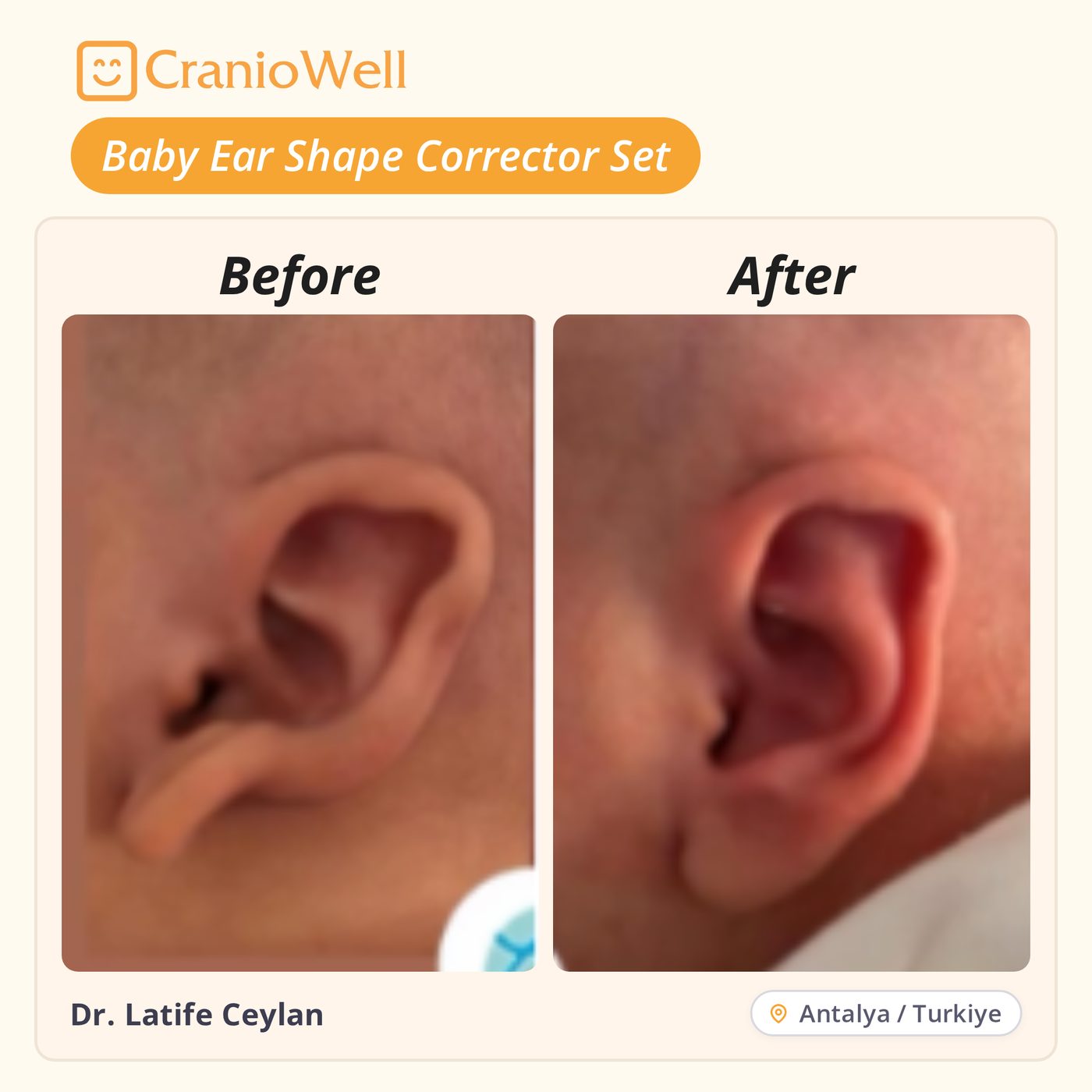
Dr. Latife Ceylan
Antalya / Türkiye
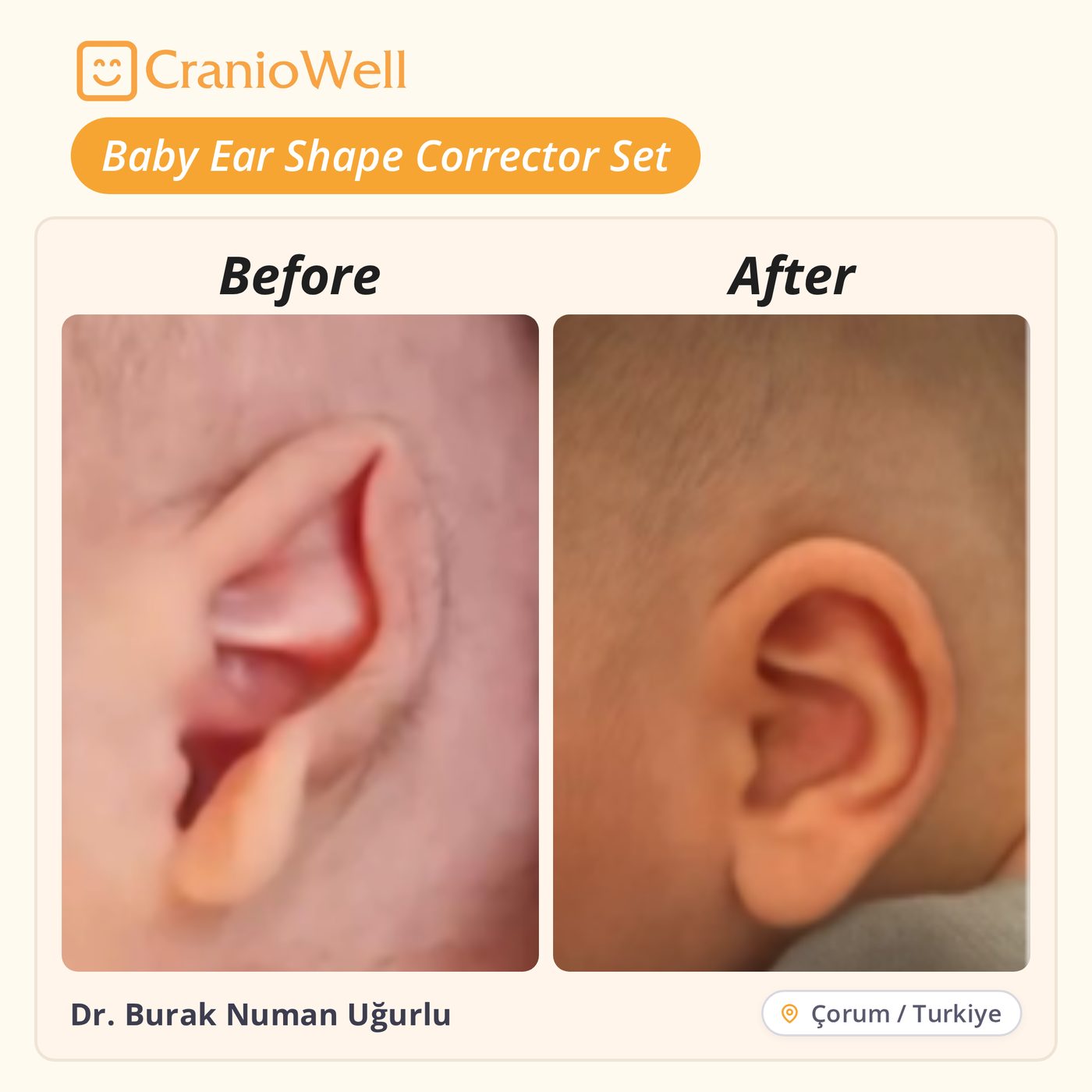
Dr. Burak Numan Uğurlu
Çorum / Türkiye
The journey
01
A physician examines the ear and identifies the type of deformity.
02
Age, severity, and ear anatomy determine a personal correction plan and how long the set will be worn.
03
The device is placed on the ear and guides cartilage toward a natural form. Application is done only by a doctor.
04
The clinician checks progress and adjusts the set when needed until treatment is complete.
At home, after the doctor applies the set
Parents do not apply or remove the set. After a physician places it, the user manual asks the family to monitor the ear and call the clinic if something changes.
The main component is transparent so you can see the ear. Check the tapes and the ear from the outside once a day.
If saliva or vomit gets into the set or under the tapes, tell the clinic. Moisture under tape can lead to infection.
A mild smell can come from a covered ear. A strong or unusual odor means the set should be checked — contact the doctor.
Unusual crying, apparent pain, or if the main part comes off completely: bring the baby in as soon as you can. If a tape lifts only slightly, the clinic will show you how to reinforce it with the micropore tape in the kit.
Parents ask
Some mild differences improve in the first 10 days. About 3–5% of newborns have a remaining deformity that typically will not self-correct. If you are unsure after that window, a physician can tell you whether molding is indicated — waiting to “see” can close it.
No. The CranioWell kit is applied and monitored by a doctor. Home tape is not a treatment and is not a basis for reshaping cartilage.
Infant ear molding is described in the user manual as painless and non-invasive. Hearing continues because the canal stays open and the cap is perforated. If the baby cries in an unusual way or seems to be in pain, the family should contact the doctor promptly.
Application typically takes about 30 minutes. Treatment length then follows the baby’s age at start — from about three weeks if you begin at 7–15 days, up to eight weeks if you begin at eight weeks — usually with two or three follow-up visits.
The usual later option is otoplasty: surgery under anaesthesia. Until then, a visible ear difference can lead to teasing. Early molding, when age is right, can reduce the need for that operation.
Around the world
Physicians apply the Baby Ear Shape Corrector Set in Türkiye, South Korea, Azerbaijan, Greece, and Estonia. Having this option in your country can matter for every baby whose ear can still be moulded.
We want children everywhere to reach a natural ear form without otoplasty — and without the surgical and anaesthesia risks of a later operation. A visible ear difference can also lead to teasing and bullying as a child grows. Early, physician-applied molding can change that path.
When molding starts in the first weeks, many infants never need otoplasty. That can reduce exposure to anaesthesia and operative complications.
Prominent or folded ears can draw comments and bullying at school age. Correcting form in infancy can spare a child years of social pressure.
The first-month window is short. A trained physician nearby is more useful than a later flight for surgery. Ask us about training or distribution where you live.
Next step
The set is applied only by a physician. Browse the treating-clinic list, or read why waiting for school-age otoplasty is a different path — not a small delay.